
Lawers House, nestled a mile and a half from Comrie on the route to Crieff, began construction in 1724 under the direction of Lieutenant-General Sir James Campbell (1680–1745), M.P., and his wife Lady Jean Boyle Mure (1698–1729). The house, originally conceived by the renowned architect William Adam, underwent major transformations during the late 1700s and early 1800s, particularly under architect Richard Crichton. The estate’s history became closely tied with the Williamson family and their transatlantic connections, especially in the United States. Within its walls are examples of fine plasterwork and a grand Adam-designed saloon, while its grounds boast towering pine trees, a walled garden straight from a romantic landscape, and a rustic bridge over the River Earn. Today, Lawers remains in private hands.
A Lineage of Distinction
The house is most strongly associated with the following figures:
- Major-General Archibald Robertson, R.E. (1745–1813)
- Wilhelmina Robertson Williamson (1769–1852)
- Lord Balgray, David Robertson Williamson (1761–1837)
- Charles Alexander Williamson of New York and Lawers (1794–1849)
- Catherine Clarke Williamson (1807–1849)
- Lt.-Col. David Robertson Williamson, J.P. (1830–1913)
- Hon. Selina Maria (Morgan) Williamson (1833–1922)
- Rev. Charles David Robertson Williamson (1853–1943)
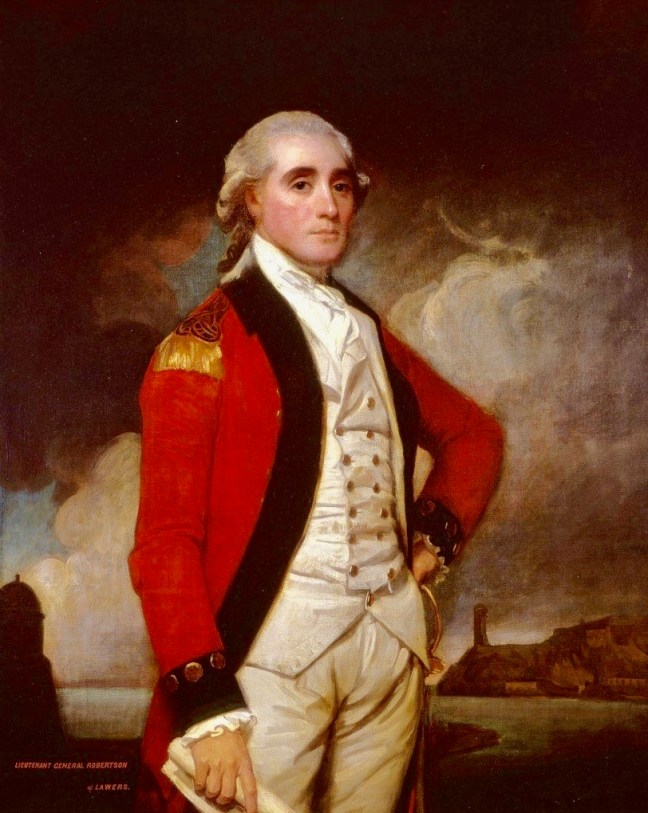
Major-General Archibald Robertson, R.E., of Lawers, Perthshire 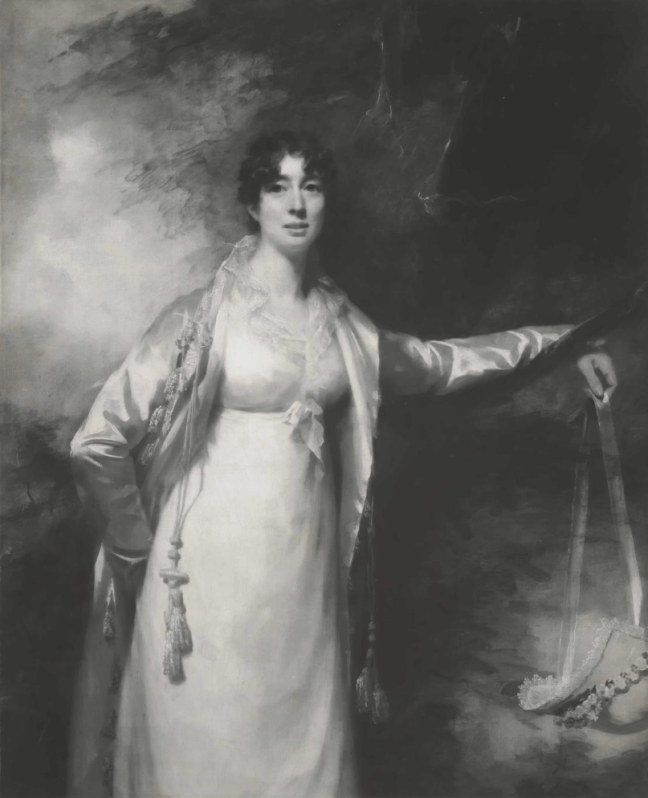
Mrs Wilhelmina William Boyd (Robertson) Robertson Williamson 
William Adam, Architect, of Gladney House, Kirkcaldy, Fife 
James campbell 1744 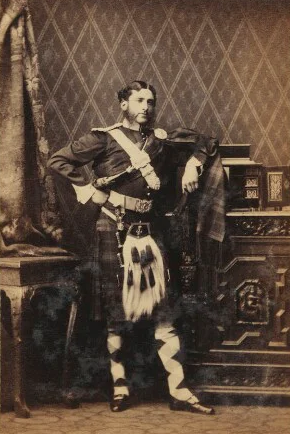
Lt.-Col. D. Robertson Williamson, J.P., of Lawers House, Perthshire 
Lord Balgray, of Lawers House, Perthshire; Judge of the Court of Session
The Campbell Years
Sir James Campbell, a younger son of the 2nd Earl of Loudoun, built Lawers in two phases, between 1724–26 and again from 1737 to 1744. A decorated military man, Campbell fought in the battles of Blenheim, Oudenarde, and Malplaquet. Later, he served as M.P. for Ayrshire, Groom of the Chamber to George II, and Governor of Edinburgh Castle. Tragically, Campbell was killed at the Battle of Fontenoy in 1745, having reportedly spent only one night in his newly finished home. His son, James Mure-Campbell, later the 5th Earl of Loudoun, inherited Lawers and Rowallan Castle in Ayrshire. However, mounting debts led to the sale of Lawers in 1779 to banker Henry Drummond, M.P., whose father was Lord Strathallan.

Remodelling and the Rise of the Robertsons
Drummond undertook an ambitious redesign of the mansion in 1782–83 with plans by James Salisbury. After completing the renovations, he sold the 35,000 acre estate in 1784 to Major-General Archibald Robertson of the Royal Engineers. Robertson, who had no children, passed the estate on to his niece, Wilhelmina (William Boyd Robertson), who married her cousin, Judge David Williamson (later Lord Balgray), and adopted the name David Robertson Williamson.
Architectural Refinements and Estate Enhancements
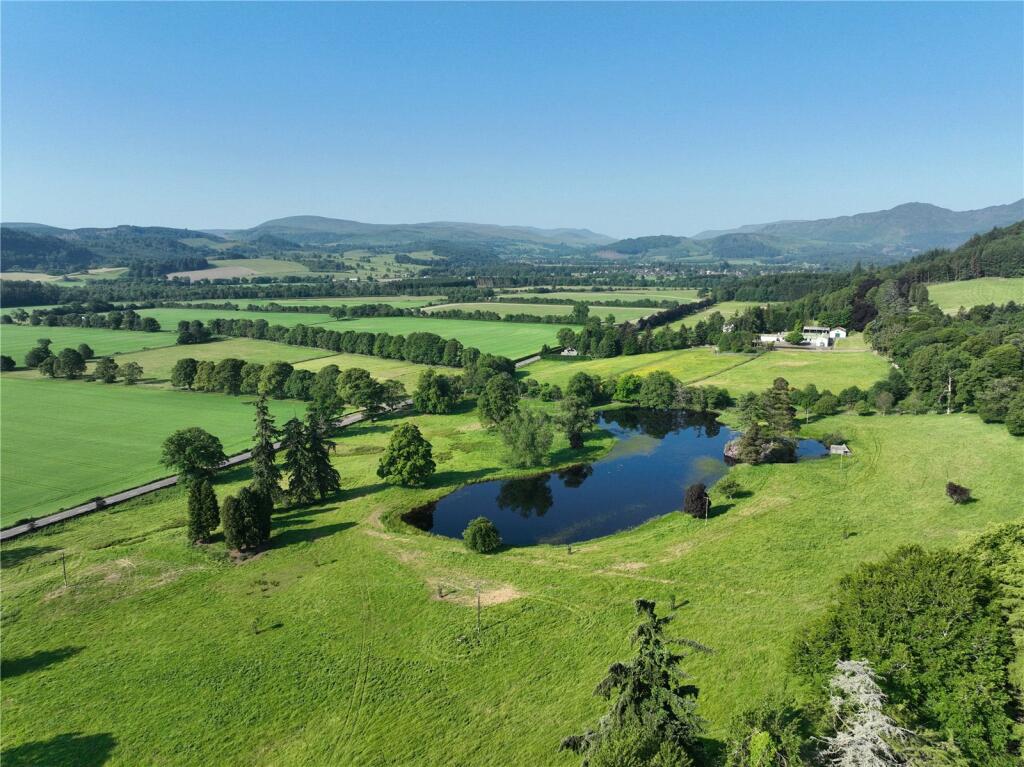
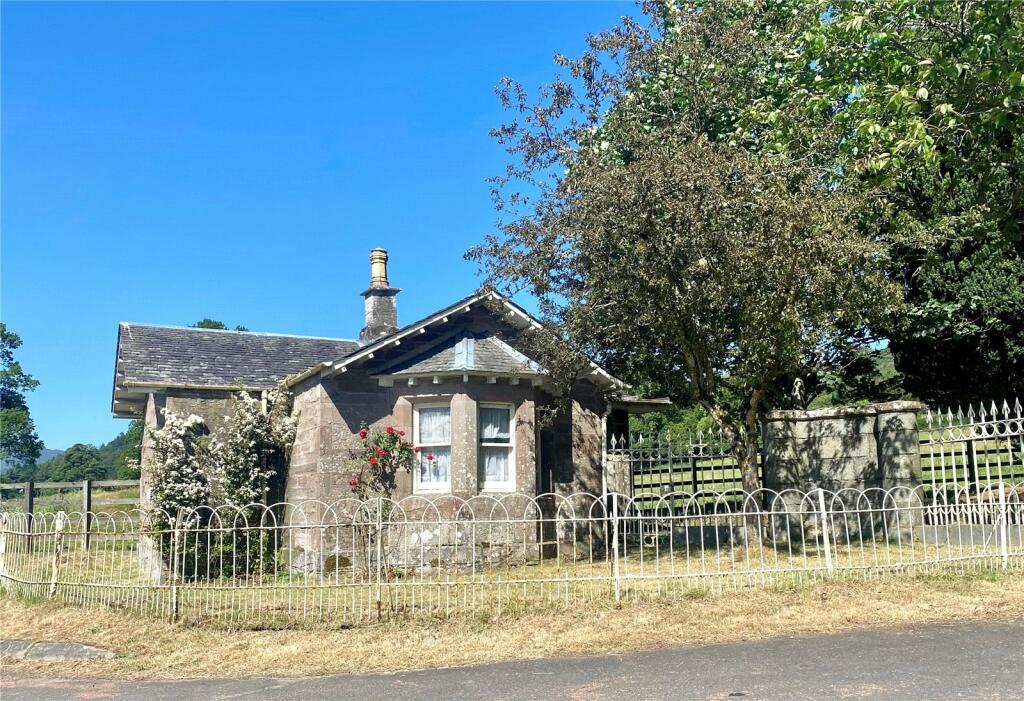
In 1815, the Williamsons brought in Richard Crichton to execute major architectural changes, including shifting the main entrance to the north side and adorning the south facade with a pediment and Ionic columns. New lodges were constructed at both driveways, one leading through a winding, wooded path and the other through a stately avenue of beech trees. The house overlooked the River Earn to the south, and to the north, it was shielded by a thick bank of trees. An 1829 description praised its interior as both spacious and tastefully finished, highlighting the Grecian-style Adam Saloon, which later served as the ballroom.
An American Inheritance
With no direct heirs, the estate eventually passed to Charles Alexander Williamson of New York, nephew of Lord Balgray. Charles was descended from a British land agent and operative based in America and married Catherine Harrison Clarke, whose family had notable literary ties, including Clement Clarke Moore, author of ‘Twas the Night Before Christmas. Though Charles settled briefly at Lawers, his restless nature led him and his wife to join the California Gold Rush in 1848. Sadly, both succumbed to cholera in Kansas, leaving their teenage son David as heir.
Colonel and Controversy
David Robertson Williamson, born in New York, returned to Scotland at the age of seven. At just 19, he inherited Lawers following the death of his parents and the stewardship of his great-aunt, Lady Balgray. Within a single year, he resigned his military commission, married Selina Morgan (daughter of the 1st Lord Tredegar), and faced criminal charges for assaulting a clergyman. Though initially facing exile, he was instead jailed in Perth and released early.
He later rehabilitated his public image, becoming a colonel in the Perth Volunteers and a Justice of the Peace. In 1894, Lawers was let to stockbroker and M.P. Andrew Grant, whose philanthropic legacy endures at the Edinburgh College of Art. The Grants lived at Lawers until 1901.
The Spiritual Successor
The Colonel’s only son, Charles, chose a different path. Educated at Eton and Oxford, he turned down a military career and instead became a Catholic priest, much to his father’s dismay. The rift between them grew bitter, culminating in the Colonel’s decision to systematically dismantle the estate to deprive Charles of his inheritance. Supported by his friend Lord Esher, Charles went on to serve in London’s slums, the Brompton Oratory, and later Venice. He returned to Scotland after his father’s death in 1918, sold most of the estate but retained Tomperran with 600 acres, where he ministered until his death.
A New Chapter with the Rockey Family
In 1918, Captain Norman Rockey, a South African veteran of the Royal Flying Corps, received Lawers as a wedding gift from his bride’s father, whisky magnate Duncan Stewart. The estate was then 4,000 acres with prime grouse moors and fishing rights.

South Front of Lord Balgrays Lawers 1830 
South East Front of Captain Rockeys Lawers 1925 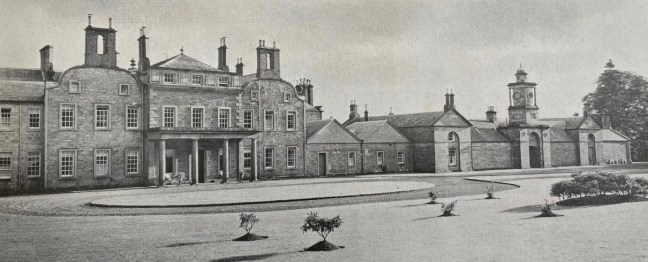
North Front of Captain Rockeys Lawers 1925 
South Front of Captain Rockeys Lawers 1925 
Lawers House – Main Staircase 1925 
Lawers House – South West Front 1925 
The Adam Saloon with Alexander Naysmith Paintings 1925 
The Adam Saloon with Alexander Naysmith Paintings 1925 
The Adam Saloon North Doorway 1925 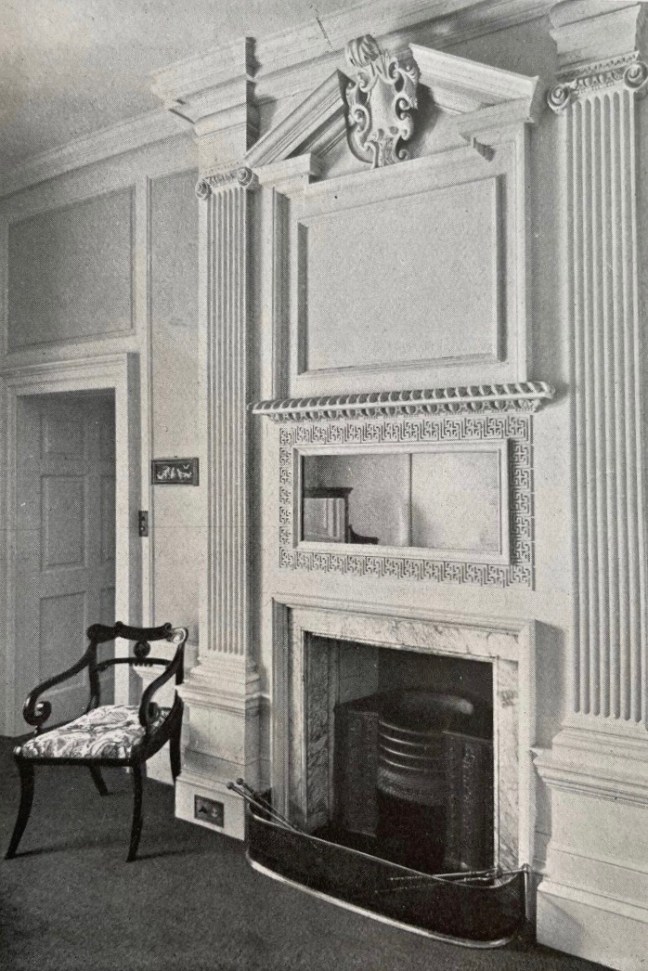
Lawers House – Teal Bedroom Fireplace 1925 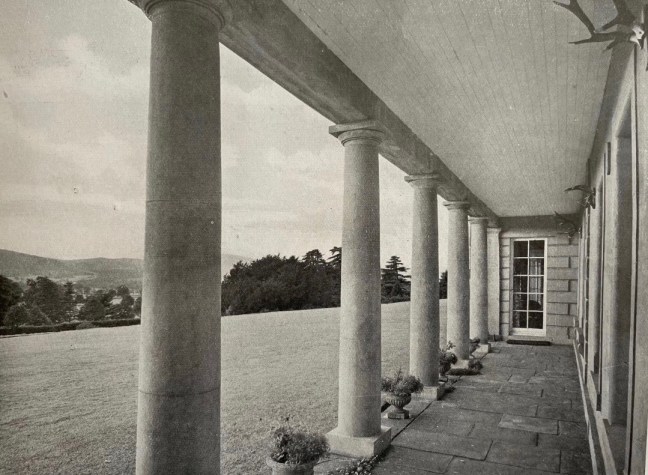
Lawers House – View from East Colonnade 1925
They renovated the house between 1919 and 1922, but disaster struck in 1927 with a major fire. Emma died two years later, and Rockey sold the estate in 1931 before moving south.
An Educational Interlude
The property’s ownership during the 1930s varied. It was leased seasonally as a hunting lodge and briefly hosted Cargilfield School, which had evacuated from Edinburgh during World War II. In 1948, Perth County Council purchased Lawers to establish an Agricultural College, incorporatign the Home Farm in the Strath of Earn. With around 30 pupils living and studying in the main house, the grounds were also restored as part of their education. The College operated until 1970, shortly afterwhich it was broken up and sold.
For the past half a century and more, Lawers House has returned to its roots as a private family residence, standing as a living monument to the generations that shaped it.

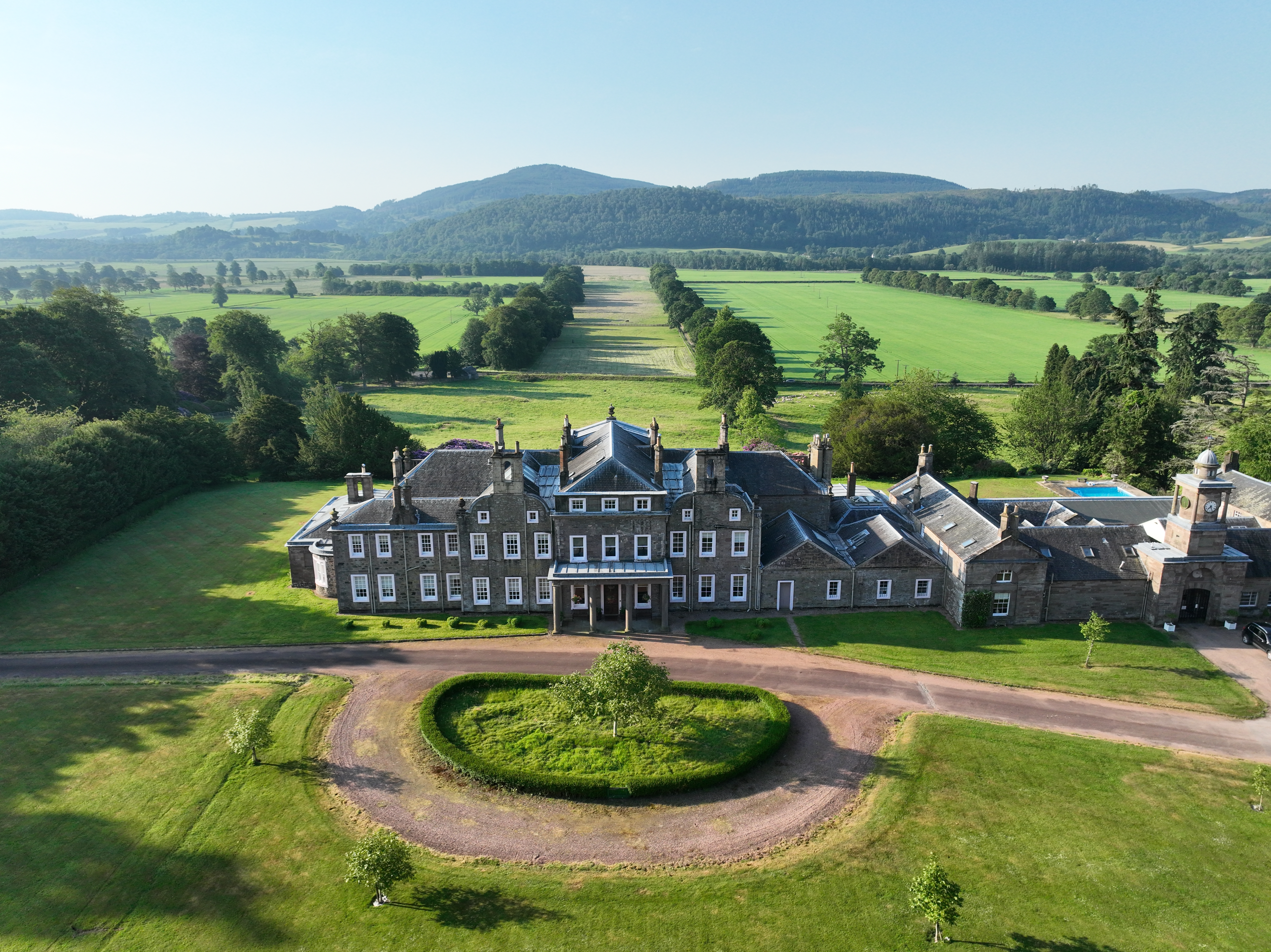


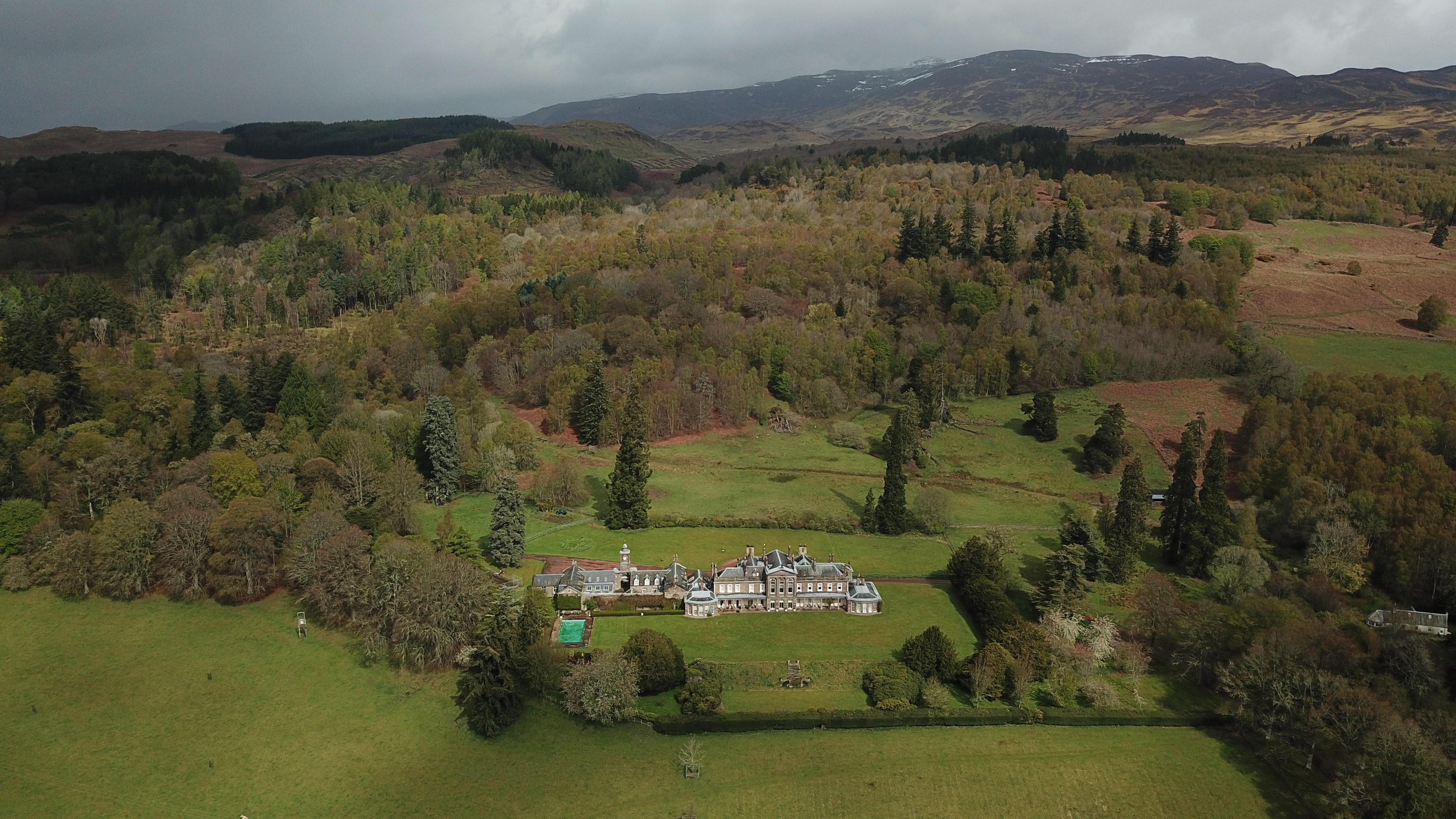

 The Lawers Experience
You must be logged in to post a comment.